Best Robot Vacuums (2026): How to Choose One That Won't Get Stuck
SnipSnapy is reader-supported. As an Amazon Associate, SnipSnapy earns from qualifying purchases. How we make money
The short answer
A robot vacuum is worth it if it can clean your floors without you rescuing it. That comes down to navigation and obstacle avoidance far more than the suction number on the box. Buy the best navigation you can afford, add a self-emptying dock if anyone in the home has allergies or pets, and only pay for mopping if you have a lot of hard floor.
Our picks:
- Most hands-off: Roborock Saros 20. Strong suction, a low body that fits under more furniture, and a dock that empties the bin and washes and dries the mops.
- Best mid-range: Ecovacs Deebot T90 Pro Omni. Flagship-style roller mopping and a fully automated station for less than the flagships. The onboard bin is small.
- Best for hard floors: eufy Omni S2. A self-cleaning roller mop that reviewers rate among the best, though its navigation trails Roborock's.
If you have stairs, a small home, or mostly want quick spot cleans, a cordless stick vacuum like the Dyson V16 Piston Animal is the better buy, and many homes end up with both.
What about Roomba? iRobot went through Chapter 11 and was taken over in early 2026. Its new lineup has few independent long-term reviews so far, so we are not recommending one until it does.
What actually matters
1. Navigation: how it knows where it is
Navigation decides whether the robot cleans in neat rows or wanders, whether it remembers rooms, and whether you can tell it "just the kitchen".
- LiDAR (a spinning laser on top) maps quickly and works in the dark. It is the most reliable option for multi-room homes.
- Camera-based (vSLAM) navigation can be just as good in well-lit homes and lets the robot recognise objects, but it can struggle in dim rooms.
- Gyroscope or "random bounce" navigation is what budget robots use. They clean, eventually, but you cannot send them to one room and they miss spots.
If you want room-by-room cleaning or no-go zones in the app, skip anything without LiDAR or camera mapping.
2. Obstacle avoidance: the feature you'll notice every day
The most common reason people give up on robot vacuums is having to tidy the floor first. Charging cables, socks, shoelaces and pet accidents are the classic failures. Front-facing cameras or structured-light sensors that recognise and steer around small objects are the single biggest quality-of-life upgrade in recent years. If you have pets, treat this as essential rather than nice to have.
3. Self-emptying dock
A self-emptying base sucks the robot's small bin into a sealed bag after each run, so you empty it every few weeks instead of every day. It is worth paying for if anyone in your home has allergies, if you have shedding pets, or if you want to run the robot daily. The trade-offs are a larger footprint, ongoing bag costs and a loud few seconds at the end of each clean.
4. Mopping: useful, with limits
Robot mopping is closer to a damp wipe than a scrub. It keeps hard floors from getting grimy between proper cleans; it will not lift dried spills. Two things separate good mopping robots from bad ones:
- Lifting or retracting the mop on carpet, so rugs don't get wet. Without it you have to set up no-mop zones.
- A dock that refills water or washes the pad, which removes most of the daily chore.
If most of your home is carpet, don't pay extra for mopping.
5. The app, and the company behind it
Your robot is only as good as its app and the updates behind it. Before buying, check that the app supports room selection, scheduling and no-go zones, that it works with your voice assistant if you use one, and that the brand has a track record of supporting older models. Replacement brushes, filters and bags should be easy to buy.
What to ignore
- Peak suction numbers (Pa). They are measured differently by each brand and say little about real pickup on carpet. Brush design and airflow matter more.
- Run time beyond about 90 minutes. Good robots recharge and resume where they stopped.
- "AI" on the box without a concrete feature behind it, like object recognition.
Who should buy what
- Pets, kids, cables on the floor: prioritise obstacle recognition and a self-emptying dock, such as the Roborock Saros 20.
- Large multi-room home: prioritise LiDAR mapping and room-by-room control.
- Mostly hard floors: a robot with a roller or lifting mop and a washing dock: the eufy Omni S2 or Ecovacs Deebot T90 Pro Omni.
- Small apartment, stairs, or quick daily pickups: a good cordless stick vacuum may be all you need. See the Dyson V16 Piston Animal.
When to buy
Robot vacuums are among the most heavily discounted categories during Black Friday and Amazon's summer and fall sale events, and last year's flagship often drops sharply when its successor launches. If you are not in a hurry, those are the windows to watch. See our guide to the best time to buy electronics.
How we picked
We research robot vacuums against the criteria above using manufacturer specifications, independent reviews and long-term owner feedback on reliability, app quality and support. We don't accept payment for picks. More on how we pick.
Browse every pick in Smart Home.
Products in this guide
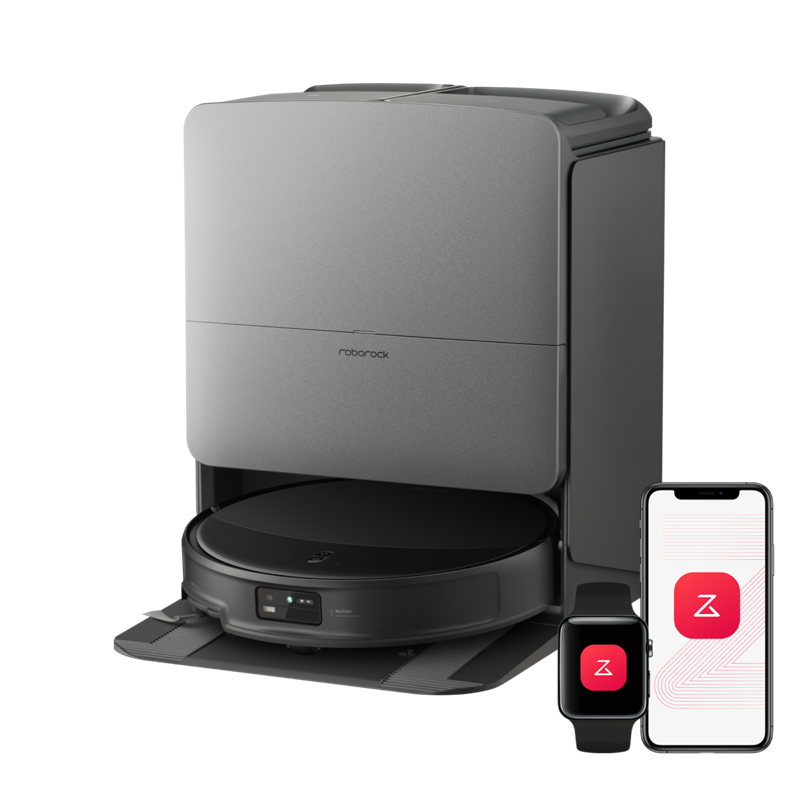
Roborock Saros 20
For buyers who want the most hands-off robot available, with strong suction, thorough edge cleaning and a dock that handles almost all upkeep. Reviewers note it is only a modest step up from earlier Saros and MaxV models, so recent flagship owners have little reason to upgrade.
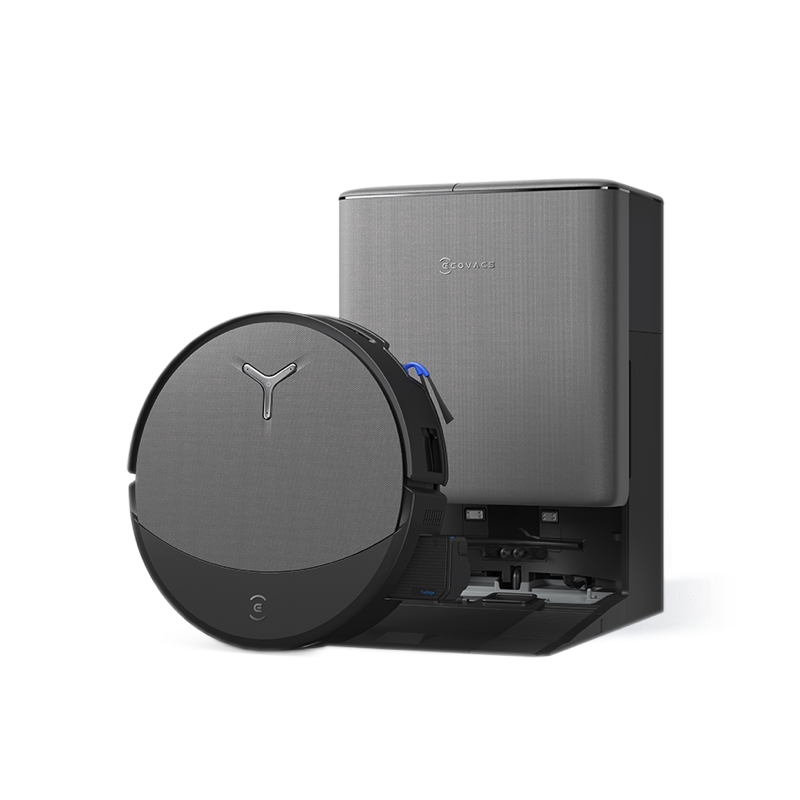
Ecovacs Deebot T90 Pro Omni
For buyers who want flagship-style mopping and a fully automated station without paying flagship prices. Vacuum Wars calls it the mid-range robot to beat; the main trade-off is a very small onboard dustbin.
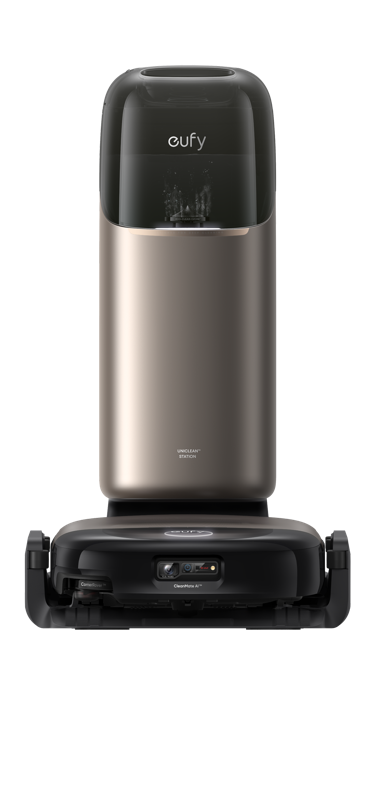
eufy Omni S2 Robot Vacuum
For homes with lots of hard floor where mopping quality matters most; reviewers rate its roller mop and water sanitation among the best available. The trade-off is navigation, which reviewers consistently describe as weaker than Roborock's.

Dyson V16 Piston Animal
For buyers who want Dyson's strongest suction and a bin that packs down debris, especially in homes with pets. Reviewers praise the power and anti-tangle cones, but TechRadar and Tom's Guide both criticize the pointed floorhead for cleaning along straight edges.